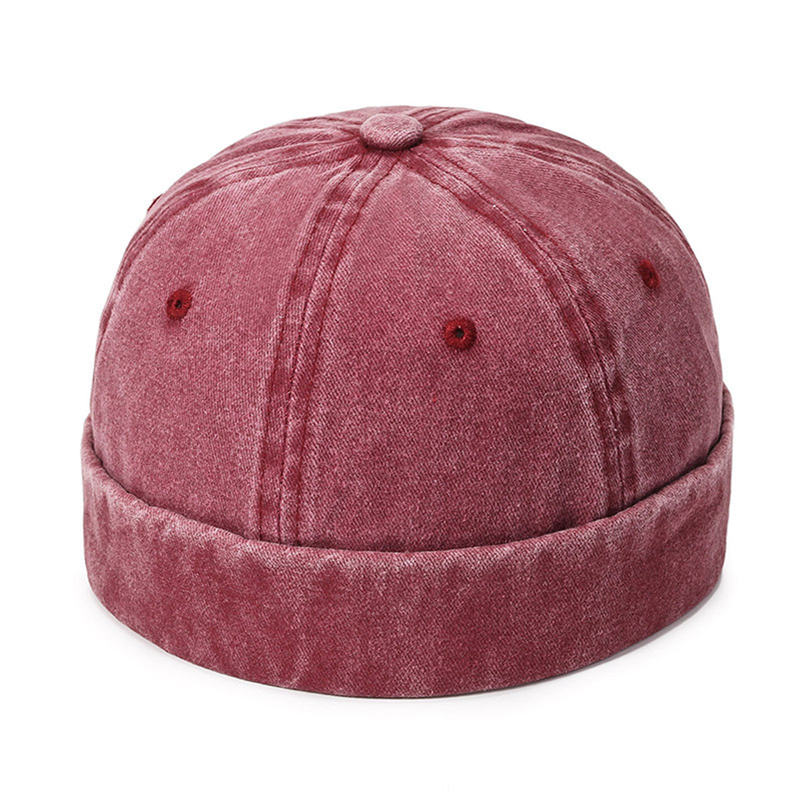
I used to believe these myths. I bought five different hats last winter. None of them worked when the temperature dropped below 20 degrees. I wasted $200. Here's the truth about finding the best winter hat beanie for freezing weather.
Don't buy before you read this. You need a hat that delivers three things:
People think wool is the only solution for real cold. They believe any hat not made of thick, scratchy wool will fail. They buy huge, bulky hats thinking more fabric equals more warmth.
Here’s what they don’t tell you: Fiber density and lining matter more than the outer material. You can have a heavy, stylish cotton or denim shell. But it needs a high-quality thermal liner inside. If the liner is cheap, wind cuts right through. The best skullcap or docker cap will have a cozy, dense fleece layer hidden inside.
Low-quality hats often use thin, loose knit materials. Cold air moves easily through those gaps. A snug, lined cap traps your body heat close to the skin.
Verdict: Don't just look at the outside. Demand a specific thermal lining material like high-density fleece or Thinsulate. The outer material (like solid denim) acts as a great windbreak if it is tightly woven.
Many guys buy oversized, slouchy beanies. They think the air pocket created by the sag adds warmth. This is completely wrong for truly freezing weather.
Let me tell you the truth: A loose hat lets heat escape quickly. Your body heat flows right out the top or around the edges. For the best winter hat beanie for freezing weather, you need a snug fit. This is why hats like the Cotton Denim Docker Cap work well if sized correctly.
We sometimes see complaints like, "It looks cool, but it leaves my ears exposed. Not a real winter hat." This happens when the cap is too shallow or too loose. The function of a winter hat is to seal the ears and the skull.
A tight-fitting skullcap style reduces the surface area exposed to the cold air. It holds heat. A slouchy beanie might look nice at the coffee shop. It is terrible on a windy 10-degree day.
Action Step: Check the depth (crown height) of the hat. Make sure it pulls down firmly over the tips of your ears. Go for snug, not tight enough to give you a headache.
Most cheap retailers just offer "One Size Fits Most." This is a lie designed to save them money on production. Your head size matters greatly, especially with solid skullcaps or denim docker styles which have less stretch.